Evidence-Led Humanitarian Action
Turning Field Insights Into Purposeful Action
We believe effective philanthropy begins with listening and objective study. Our field research connects real community needs with sustainable welfare solutions.
How Research Informs Our Welfare
Ground Observation
Visiting communities directly, meeting teachers, elders, and families to observe everyday socio-economic challenges.
Structured Field Survey
Gathering qualitative and quantitative data on literacy, nutrition, vocational gaps, and family circumstances.
Analysis & Synthesis
Evaluating survey findings to identify systemic bottlenecks and practical intervention opportunities.
Actionable Programmes
Designing targeted food support, tutoring centers, and youth skill initiatives based strictly on evidence.
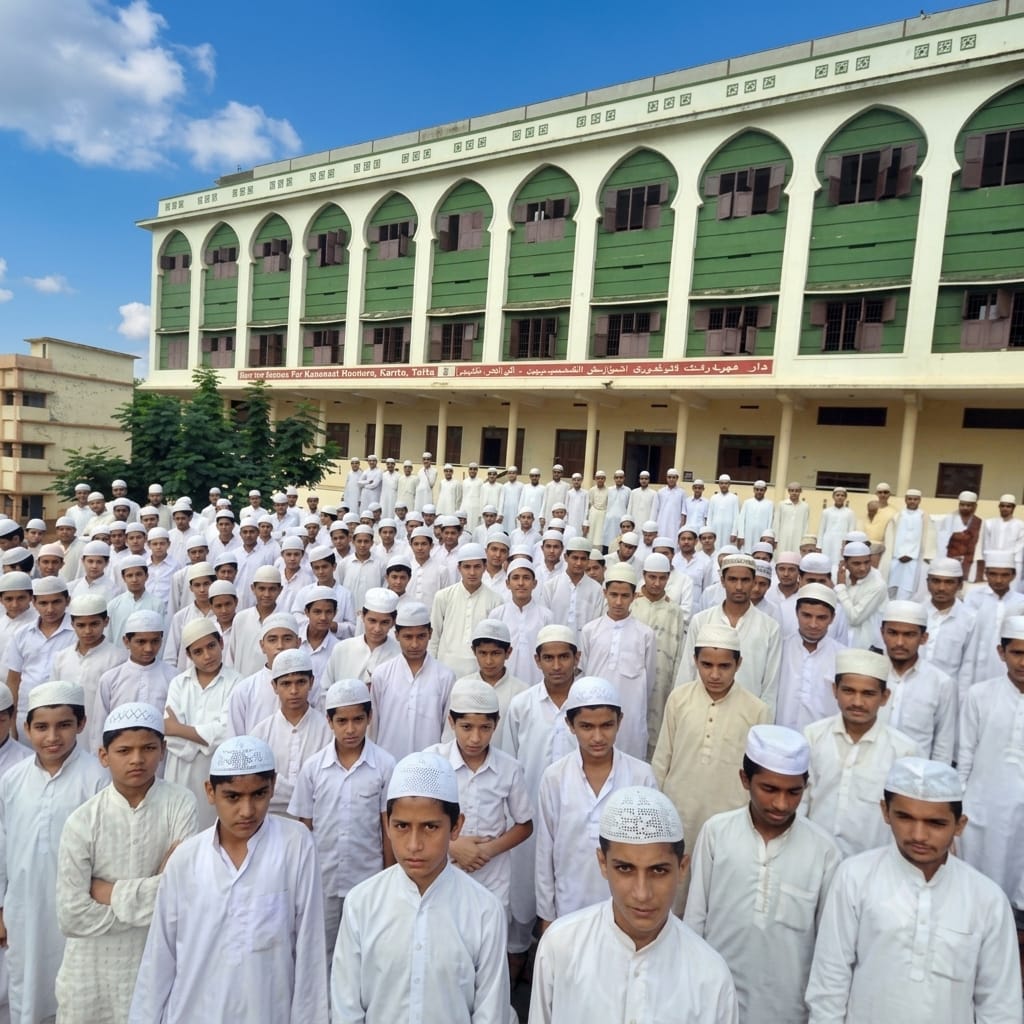
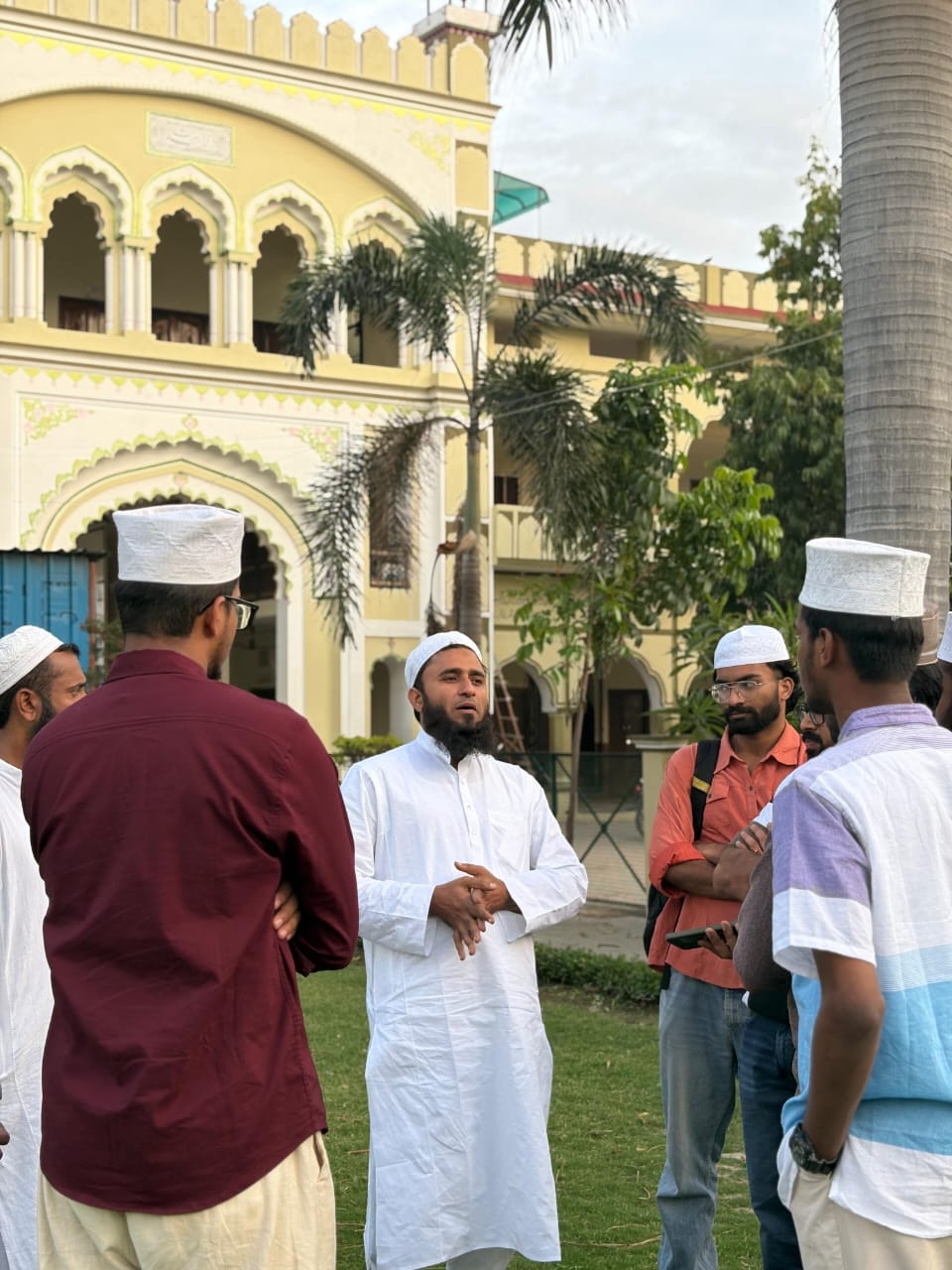
Kandhla, Shamli District, Uttar Pradesh
Academic & Career Aspirations of Madrasa Students in Kandhla, UP
In 2025, our research team conducted an intensive field study in the historical town of Kandhla in western Uttar Pradesh. The inquiry examined the everyday educational experiences, academic ambitions, and vocational skill requirements of young students enrolled in traditional madrasa institutions.
Key Research Findings:
- • Strong Interest in Modern Subjects: Over 78% of students expressed keen eagerness to learn English, Mathematics, and Computer Skills alongside religious subjects.
- • Vocational Readiness Gap: A significant deficit in practical career counseling, accredited certifications, and guidance on university eligibility.
- • Nutrition & Household Stress: Economic hardship at home often forced students to discontinue studies early to work in low-wage unorganized labor.
From Insight to Impact: This study gave birth to our Nayi Raah initiative, which provides tutoring, scholarship bridges, and household food security to vulnerable student families in North India.
Challenges Faced by Religious Students in Kerala
Conducted in early 2026 across institutional centers and community hubs throughout Kerala, this comprehensive study examined the structural, financial, and psycho-social challenges encountered by religious students pursuing higher theological education.
Key Research Findings:
- • Institutional Subsistence Needs: Many students come from impoverished rural households and face nutrition deficits that impair sustained study and cognitive development.
- • Digital Literacy Dividends: Providing structured computer training and modern communication courses dramatically elevates employment readiness and community leadership.
- • Community Integration: Fostering mentorship between social welfare professionals and religious scholars builds strong civic collaboration and mutual trust.
From Insight to Impact: The findings directly informed the establishment of our Community Education Centres and regular food security support for orphan scholars across Kerala.
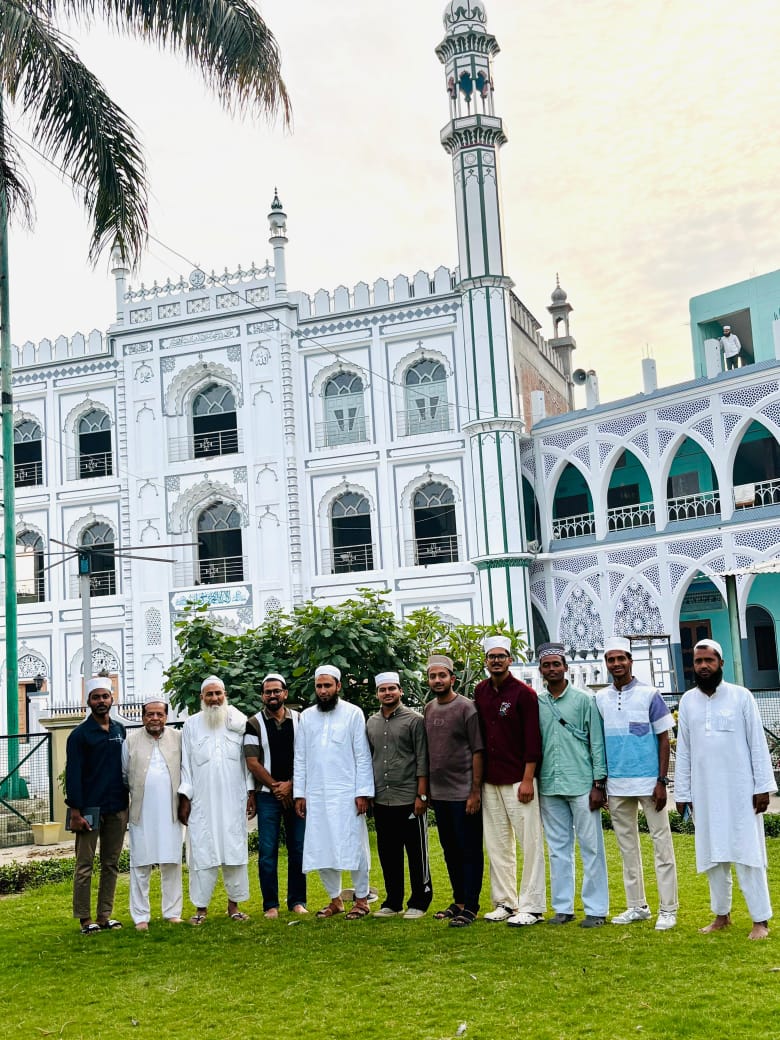
Multiple Districts, Kerala
Why We Emphasize Research in Charity
Without research, charity risks becoming superficial and reactive. With rigorous field understanding, every donated rupee produces lasting, measurable impact.
Objective Verification
We physically verify beneficiary needs through home visits, local inquiry, and structured interviews, eliminating guesswork and misallocation.
Targeted Allocation
Funds are focused on verified pain points — whether continuous food kits for elderly widows or digital learning for orphan children.
Community Dignity
By engaging communities as study participants and stakeholders rather than passive recipients, we preserve human dignity at every step.
Help Us Expand Evidence-Based Charity
Partner with Muhammadiyah Charitable Trust to provide dependable food relief, orphan welfare, and educational opportunities.